


Project Description
2024-2028
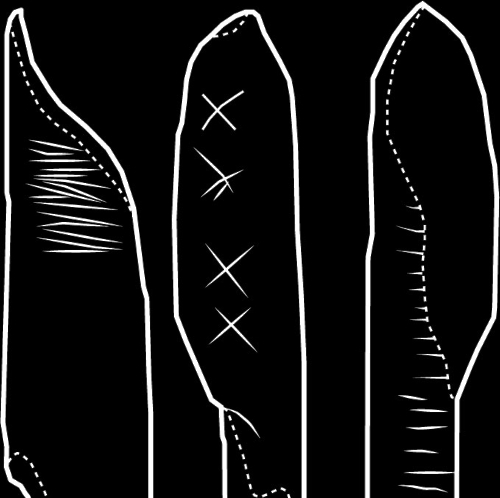
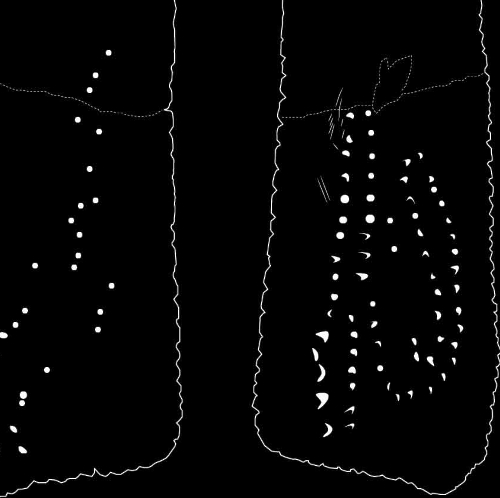
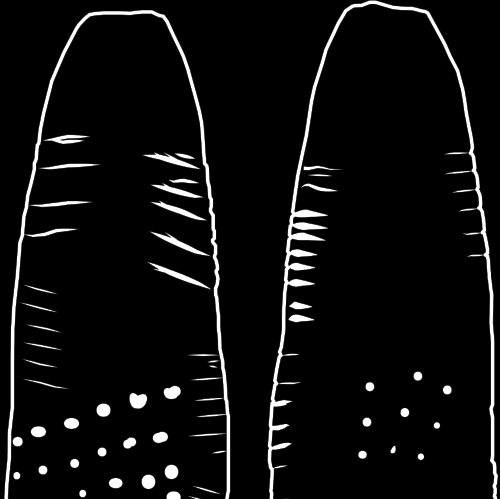
Humans store information outside of their minds. This capacity for information encoding is reflected in symbols and written language, and it underlies artificial computing systems. It is a hallmark of human evolution. Traces of this capacity have "fossilized" in the archaeological record reaching back into the Paleolithic of c. 400 000 to 11 000 thousand years ago. The EVINE project (Evolution of Visual INformation Encoding) proposes to digitize large scale samples of paleolithic finds, and to compare their information encoding potential to ancient and modern writing. This enables us to pinpoint the transitions in information encoding from the first signs to the information age.
This project is funded by an ERC Starting Grant (ERC, EVINE, 101117111).
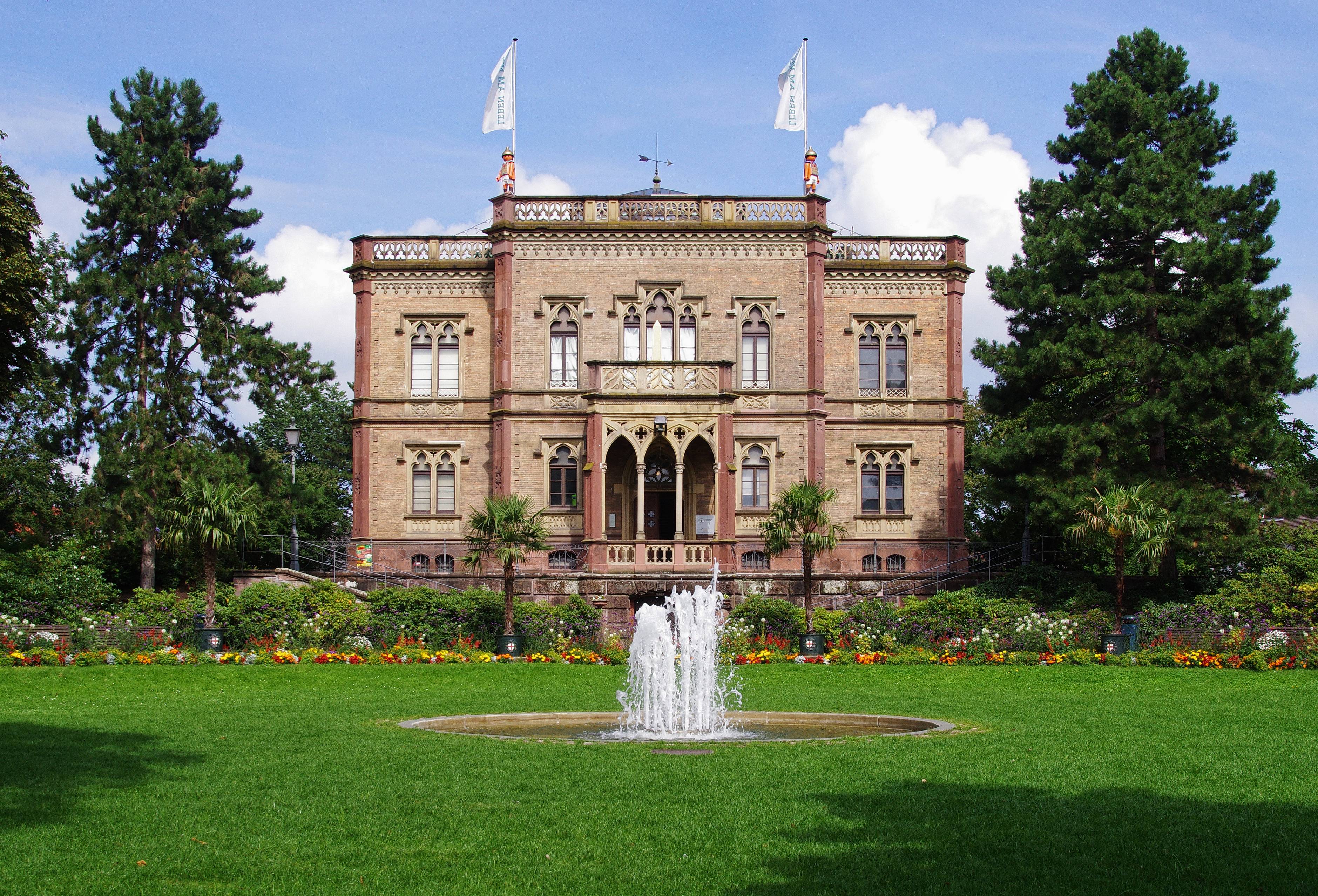
Ewa Dutkiewicz and Chris Bentz visit the Archäologisches Museum Colombischlössle in Freiburg. Thanks to Hans Oelze for hosting us and Elke Miethe for help with the artefacts.
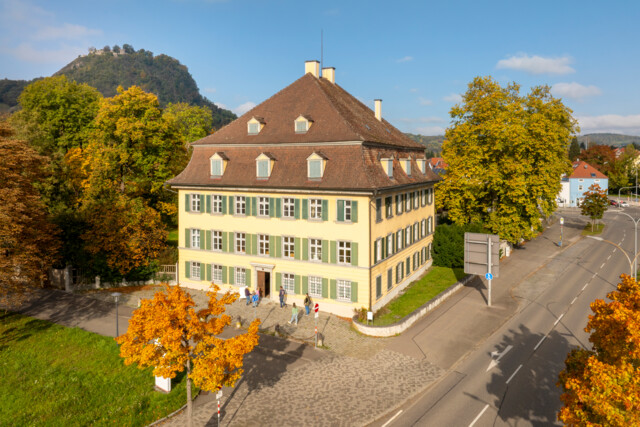
Ewa Dutkiewicz and Chris Bentz visit the Archäologisches Hegau-Museum in Singen. Thanks to Nuria Schäfer and Ralph Stephan for their hospitality and help with the finds.